

How to use the random Pokémon generator
- Pick how many. Use the minus and plus buttons next to Roll to choose anything from 1 to 12 Pokémon. One is perfect for a daily drawing prompt; six gives you a full party.
- Set your filters (optional). Open Filters to limit the pool by generation, type, evolution stage, Legendary and Mythical status, or the Pokédex of one specific game. The counter shows how many Pokémon still match.
- Roll. Every slot gets a different species, so you never see the same Pokémon twice in one roll.
- Lock and reroll. Tap the lock on any card you want to keep, then roll again. Locked cards stay where they are and only the open slots change.
- Keep or share it. Copy the names, copy a Pokémon Showdown import, or copy a link that opens the exact same team for a friend.
Your filters and team size are remembered on this device, so the generator opens the way you left it next time.
Filters that match how people actually play
| Filter | What it does |
|---|---|
| Generation | Only Pokémon first introduced in the generations you tick, from Gen 1 (Kanto) to Gen 9 (Paldea). |
| Type | Pokémon that have any of the types you tick, as their first or second type. |
| Evolution | Fully evolved (nothing left to evolve into, including Pokémon that never evolve), Not fully evolved, or First stage only. |
| Legendary & Mythical | Include them, leave them out, or roll only Legendary and Mythical Pokémon. |
| Starters only | The 27 first-partner Pokémon from Bulbasaur to Quaxly. |
| Forms | Add Mega Evolutions and Primal forms, Alolan, Galarian, Hisuian and Paldean forms, or Gigantamax forms to the pool. |
| Game Pokédex | Only Pokémon listed in one game's own Pokédex, from Red, Blue and Yellow to Legends: Z-A and Pokémon Champions. |
The game filter matters more than most people expect. "Generation 3" means Pokémon that debuted in Ruby and Sapphire, but Emerald's Hoenn Pokédex also includes plenty of older Pokémon such as Zubat, Geodude and Tentacool. If you are planning a run through a specific game, pick that game instead of a generation.
Ideas for your random Pokémon
Nuzlocke and randomizer-style challenges
Roll six from your game's Pokédex and use only those for the whole adventure, or roll one per route and catch the closest match. Turn on First stage for an early-game team that still has room to grow, or Fully evolved if you are planning a post-game challenge.
Drawing prompts
Set the count to 1 and switch on Names only. The card shows just the name, so you can sketch the Pokémon from memory first and only then look it up. Artists also use the type filter to practise one palette at a time, for example a week of Fire types.
Monotype and themed teams
Tick a single type to build a monotype team, or combine filters for themes like "Gen 4 Steel types" or "no Legendaries, fully evolved only". The coverage panel under the cards shows which types your team can hit hard and where several members share a weakness.
Random battles with friends
Each player rolls six, and you battle with what you get. Use Showdown export to paste the team straight into Pokémon Showdown's team builder and fill in moves and items there.
How random is it?
Each roll picks evenly from every Pokémon that matches your filters, using your browser's random number generator. Rare Pokémon are not rarer here: Arceus has the same chance as Pidgey. When forms are switched on, each form counts as its own entry but the generator still never puts two forms of the same species in one roll, so you won't get Charizard next to Mega Charizard X. If your filters leave fewer Pokémon than slots, it shows everything that matches and tells you.
What each card shows
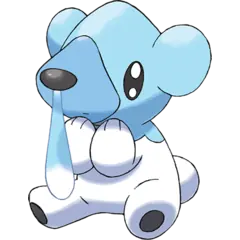
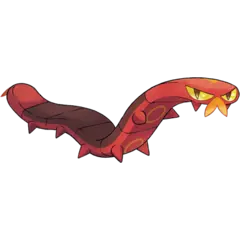
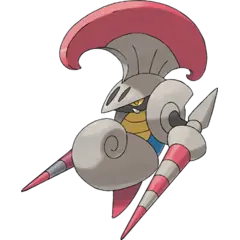
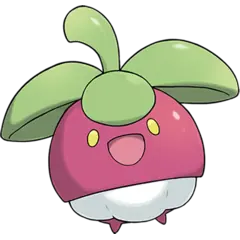
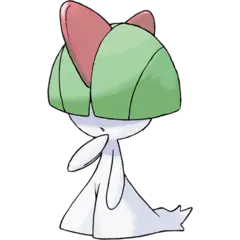
Every card has a picture of the Pokémon, its name, its National Pokédex number, the generation it debuted in, its types and its six base stats: HP, Attack, Defense, Special Attack, Special Defense and Speed, plus the total. Mega Evolutions, regional forms and Gigantamax forms show their own picture and their own stats. Switch on Names only under Filters to hide pictures and stats, which works well for drawing prompts. The data covers all 1,025 species and comes from the open PokéAPI database; see About for details.